
Achieve data consistency and high throughput without compromising performance.
Our Redis Transactions and Pipelining service helps engineering teams design and optimize atomic operations and network-efficient workflows for high-performance Redis-backed applications.
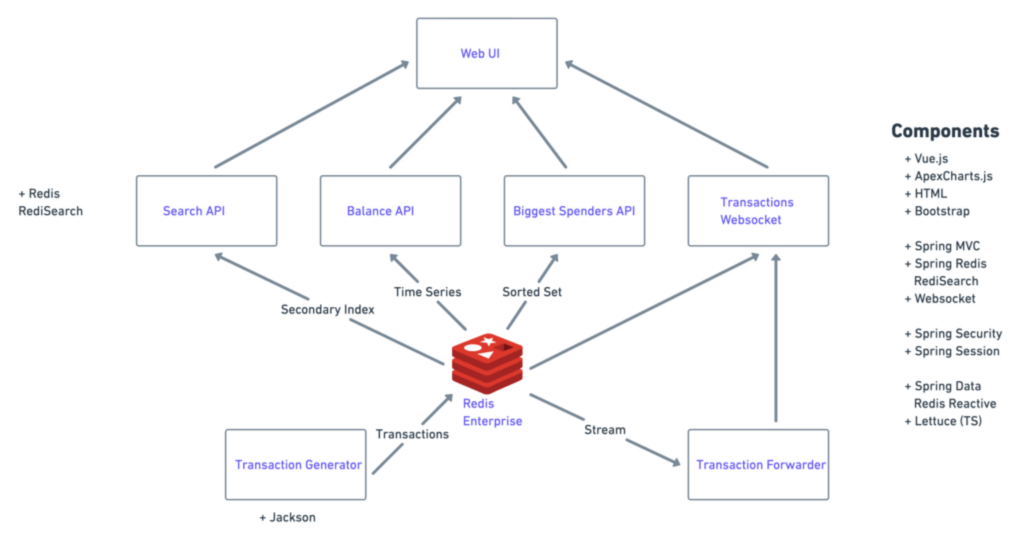
Redis Transaction Flow Diagram
Overview
Redis is designed for speed, but incorrect use of transactions or excessive round-trips can severely impact performance. Many applications either overuse transactions—causing unnecessary serialization—or underuse pipelining, leading to avoidable latency.
This service focuses on applying the right consistency and performance techniques at the right places. We help you balance atomicity, throughput, and simplicity based on your application’s real-world requirements.
What This Service Covers
Our experts evaluate and design Redis usage patterns related to:
- MULTI/EXEC transaction usage
- WATCH-based optimistic locking
- Redis pipelining strategies
- Lua scripts for atomic operations
- Network latency and round-trip optimization
- Error handling and rollback strategies
Each recommendation is aligned with Redis best practices and production constraints.
Redis Transactions: When and How to Use Them
We help you determine:
- When transactions are necessary versus when they add overhead
- How to structure MULTI/EXEC blocks safely
- How to avoid common pitfalls such as long-running transactions
- How to handle conflicts and retries with WATCH
Our approach ensures data integrity while maintaining predictable performance.
Redis Pipelining for Performance
Pipelining is one of the most effective ways to reduce Redis latency. We design pipelining strategies that:
- Minimize network round-trips
- Improve throughput under high load
- Maintain clarity in application logic
- Avoid memory pressure and response ordering issues
This results in faster response times without sacrificing maintainability.
Transactions vs Lua Scripts
We provide clear guidance on when to:
- Use Redis transactions
- Replace transactions with Lua scripts
- Combine pipelining with scripting
Our recommendations are based on workload characteristics, cluster compatibility, and operational safety.
Engagement Methodology
Our service follows a structured process:
- Current-State Analysis
Review existing transaction and pipeline usage in your application. - Performance Assessment
Identify latency bottlenecks and concurrency risks. - Design Optimization
Propose optimized transaction, pipelining, or scripting strategies. - Implementation Guidance
Provide clear patterns and examples for safe adoption.
Deliverables
At the conclusion of the engagement, you receive:
- Optimized Redis transaction and pipelining designs
- Clear guidelines for atomic operations
- Performance improvement recommendations
- Risk mitigation strategies for concurrency issues
- Documentation suitable for development and operations teams
Who This Service Is For
This service is ideal for:
- High-throughput systems requiring consistent updates
- Applications experiencing Redis latency under load
- Teams unsure when to use transactions vs pipelines
- Distributed systems with concurrency-sensitive workflows
Business Impact
Optimizing Redis transactions and pipelining helps you:
- Reduce latency and improve throughput
- Ensure data consistency where required
- Lower infrastructure and operational costs
- Avoid hard-to-debug race conditions
- Scale Redis safely with confidence
Get Started
Whether you are optimizing an existing Redis deployment or designing new workflows, our Redis Transactions and Pipelining service ensures correctness and performance at scale.
Contact us today to optimize your Redis transaction and pipelining strategy.